
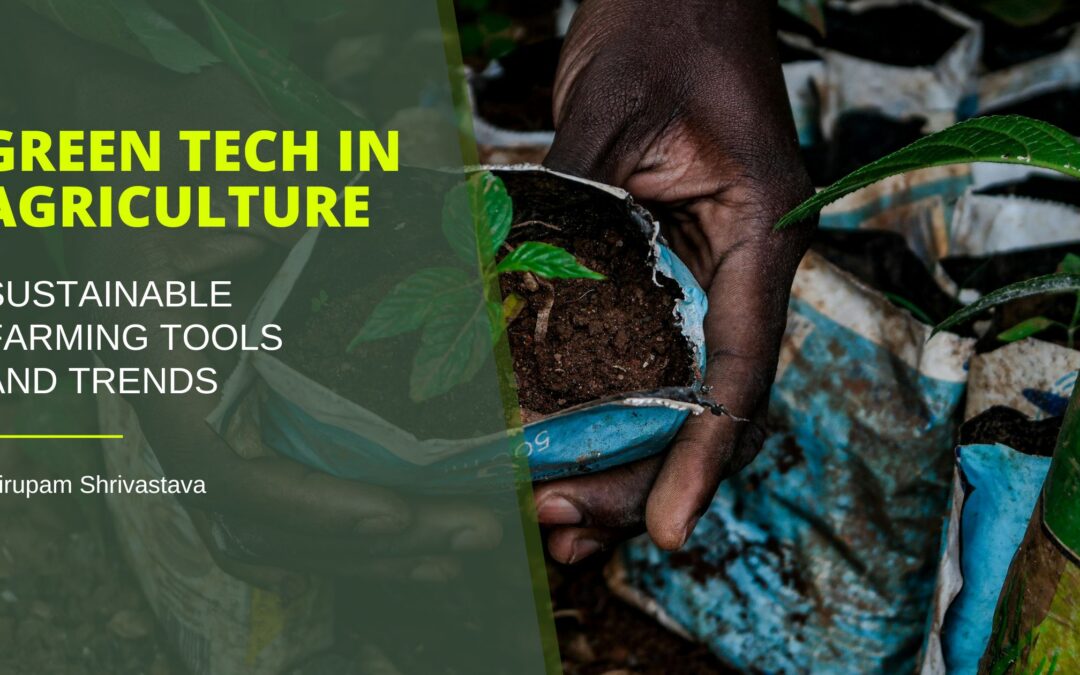
As global concerns over climate change, food security, and environmental degradation rise, the agricultural sector is embracing green technology to promote sustainable practices. Green tech in agriculture isn’t just a buzzword—it represents a shift in how food is grown, harvested, and distributed. This transformation includes smart tools, data-driven techniques, and innovative farming methods that not only enhance productivity but also reduce environmental impact.
Sustainable farming tools are now leading the charge toward eco-friendly agriculture. Precision agriculture is a key example, using GPS mapping, IoT sensors, and drones to monitor crop health, soil conditions, and water levels. These technologies help farmers make informed decisions, applying water, fertilizers, and pesticides only where needed. The result is reduced resource waste and increased efficiency, all while preserving soil health and minimizing pollution.
Another game-changing trend is the use of renewable energy on farms. Solar panels, wind turbines, and biogas systems are being installed to power equipment, irrigation systems, and even entire farming operations. These alternatives reduce reliance on fossil fuels, cut greenhouse gas emissions, and help farmers save on energy costs in the long run.
Vertical farming and hydroponics are also revolutionizing how food is produced, especially in urban environments. By growing crops indoors using LED lighting and nutrient-rich water solutions, these systems eliminate the need for soil and significantly reduce water usage. Since they are typically housed in controlled environments, they can produce year-round yields with fewer pests and less spoilage, contributing to food security and reducing transportation emissions.
Composting and organic waste management technologies are gaining traction as well. Smart composters and anaerobic digesters turn food and animal waste into nutrient-rich fertilizer or bioenergy. These tools close the nutrient loop, returning valuable nutrients to the soil while cutting down on landfill use and methane emissions.
Robotics and automation are playing a bigger role in sustainable farming too. Autonomous tractors, robotic weeders, and harvesters can perform tasks with precision and minimal energy consumption. These machines help reduce the physical labor required while ensuring consistency and lower fuel usage, aligning with sustainable goals.
In addition to tools, there’s a growing emphasis on data and software solutions. Agricultural data platforms collect real-time data from various sources and apply machine learning algorithms to optimize crop rotation schedules, pest management strategies, and irrigation patterns. By predicting potential problems before they arise, farmers can act proactively and reduce reliance on chemical treatments or over-watering.
The integration of blockchain technology into agricultural supply chains is also transforming the way produce is tracked and distributed. Blockchain ensures transparency, traceability, and accountability at every stage of the supply chain. This reduces food fraud, improves quality assurance, and allows consumers to make informed choices about the origins of their food.
Despite these advancements, adoption barriers still exist. High upfront costs, limited access to technology in rural areas, and lack of technical training can prevent small and medium-sized farms from fully embracing green tech. Government incentives, public-private partnerships, and accessible financing models are essential to ensure widespread implementation.
Looking ahead, sustainable agriculture supported by green technology is poised to reshape global food systems. It offers a path to feed a growing population while protecting natural resources and combating climate change. The continued collaboration between tech innovators, farmers, policymakers, and environmental groups will be key to unlocking its full potential.